Bardet-Biedl syndrome
BAR-day BEED-uhl SIN-drohm
Also known as: BBS, Laurence-Moon-Bardet-Biedl syndrome
At a Glance
What is Bardet-Biedl syndrome?
Bardet-Biedl syndrome is a rare genetic disorder that affects multiple body systems. It primarily impacts the kidneys, eyes, and endocrine system. The condition is caused by mutations in genes responsible for ciliary function, leading to a group of disorders known as ciliopathies. Over time, individuals may experience progressive vision loss, kidney dysfunction, and obesity. Early symptoms often include vision problems and extra fingers or toes, while later symptoms can involve kidney disease and diabetes. Early diagnosis is critical to manage symptoms and prevent complications. The syndrome can significantly impact family life due to the need for ongoing medical care and support. Prognosis varies, but many individuals can lead fulfilling lives with proper management. Daily life may involve regular medical appointments and adaptations for vision impairment. Families often require genetic counseling to understand inheritance patterns. Supportive therapies, including physical and occupational therapy, can improve quality of life. Community and educational resources are also important for affected individuals and their families.
Medical Definition
Bardet-Biedl syndrome is a ciliopathy characterized by dysfunction of primary cilia, leading to a wide range of clinical manifestations. Histologically, it involves abnormalities in ciliary structure and function, affecting cellular signaling pathways. It is classified under rare genetic disorders with a prevalence of approximately 1 in 100,000 to 1 in 160,000 individuals. The syndrome follows an autosomal recessive inheritance pattern, involving mutations in at least 22 different genes. The disease course is progressive, with symptoms often worsening over time, particularly affecting vision and renal function. Management focuses on symptomatic treatment and regular monitoring to address complications as they arise.
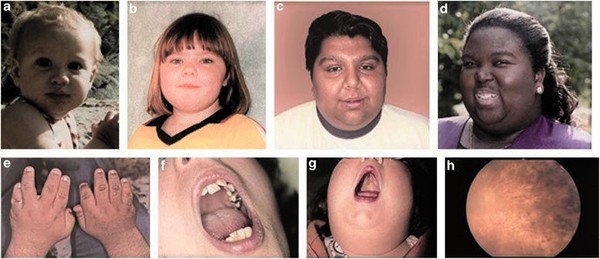
Bardet-Biedl syndrome
Bardet-Biedl syndrome Symptoms
Symptoms vary in severity between individuals. Early diagnosis and management can significantly improve outcomes.
Very Common
Obesity in Bardet-Biedl syndrome often presents as early-onset weight gain that is resistant to conventional weight loss strategies. It is primarily caused by hyperphagia and metabolic dysfunction linked to genetic mutations affecting energy balance. Over time, obesity can lead to complications such as type 2 diabetes and cardiovascular issues. Daily life is impacted by reduced mobility and increased health risks, but management includes dietary interventions and physical activity.
Retinal dystrophy manifests as progressive vision loss, often starting with night blindness in childhood. It is caused by defects in the photoreceptor cells of the retina due to ciliopathy-related dysfunction. The condition typically progresses to peripheral vision loss and can lead to complete blindness in adulthood. It significantly affects daily activities such as reading and driving, and management may include visual aids and orientation and mobility training.
Polydactyly is characterized by the presence of extra fingers or toes, often detected at birth. This occurs due to disruptions in limb patterning during embryonic development linked to genetic mutations. While the extra digits may be non-functional, they can cause discomfort or difficulty with footwear and manual tasks. Surgical removal is often performed to improve functionality and cosmetic appearance.
Common
Renal anomalies in Bardet-Biedl syndrome can include structural abnormalities such as cystic kidneys or functional impairments like reduced kidney function. These issues arise from developmental defects in the kidney tissues due to genetic mutations. Over time, renal problems can progress to chronic kidney disease, necessitating regular monitoring. Management involves addressing hypertension and other complications to preserve kidney function.
Cognitive impairment may present as learning difficulties, delayed speech, or challenges with executive function. It is thought to result from neurological involvement due to ciliopathy-related disruptions in brain development. The severity can vary, with some individuals experiencing mild learning disabilities while others have more significant challenges. Educational support and therapies can help improve cognitive outcomes and daily functioning.
Hypogonadism is characterized by underdeveloped secondary sexual characteristics and may result in infertility. It is caused by hormonal imbalances due to dysfunction in the hypothalamic-pituitary-gonadal axis. Over time, this can affect bone density and muscle mass, as well as psychosocial development. Hormone replacement therapy can help manage symptoms and improve quality of life.
Less Common
Speech delay in Bardet-Biedl syndrome may manifest as late onset of speech or difficulties in articulation and language comprehension. It is associated with cognitive impairments and developmental delays linked to genetic mutations. Over time, speech delay can impact academic performance and social interactions. Speech therapy and early intervention programs can aid in improving communication skills.
Diabetes mellitus in Bardet-Biedl syndrome often presents as type 2 diabetes, characterized by insulin resistance and hyperglycemia. It is linked to obesity and metabolic dysfunction inherent in the syndrome. If left unmanaged, it can lead to complications such as cardiovascular disease and neuropathy. Management includes lifestyle modifications, glucose monitoring, and potentially medication to control blood sugar levels.
What Causes Bardet-Biedl syndrome?
Bardet-Biedl syndrome (BBS) is primarily caused by mutations in at least 22 different genes, including BBS1, BBS2, BBS4, BBS6, BBS10, and BBS12, which are located on various chromosomes. These genes encode proteins that are part of the BBSome complex, which plays a crucial role in the function and maintenance of primary cilia. Mutations in these genes lead to structural abnormalities in the BBSome complex, impairing its ability to transport proteins to and from the cilia. This disruption in protein trafficking results in defective ciliary signaling pathways, which are essential for cellular communication and function. As a consequence, there is dysfunction in organelles such as the centrosome and basal body, which are critical for cilia formation and function. The impaired ciliary function affects neighboring cells and tissues, leading to a wide range of symptoms due to disrupted signaling pathways. Neuroinflammation and an altered immune response may exacerbate the condition, contributing to further cellular damage. Degeneration of white matter and other neural structures occurs due to the cumulative effect of impaired ciliary function and chronic inflammation. Symptoms appear in a specific pattern due to the varied roles of cilia in different tissues, such as the retina, kidneys, and brain. The variability in disease severity among patients is attributed to the specific gene mutations, their location, and the presence of modifier genes that influence the phenotype. Additionally, environmental factors and lifestyle choices may also play a role in the manifestation and progression of symptoms. The pleiotropic nature of the BBS genes results in a wide spectrum of clinical features, making diagnosis and management challenging. Understanding the precise molecular mechanisms and pathways affected by BBS mutations is crucial for developing targeted therapies. Research continues to explore the genotype-phenotype correlations to better predict disease outcomes. Advances in genetic testing and counseling are essential for early diagnosis and personalized treatment strategies.
How is Bardet-Biedl syndrome Diagnosed?
Typical age of diagnosis: Bardet-Biedl syndrome is typically diagnosed in childhood or early adolescence when characteristic symptoms such as obesity, retinal dystrophy, and polydactyly become apparent. Diagnosis may be delayed due to the variable expression of symptoms and overlap with other ciliopathies.
Clinicians look for key features such as obesity, retinal dystrophy, polydactyly, and renal anomalies. A detailed family history is crucial to identify potential genetic inheritance patterns. Physical examination may reveal additional features like hypogonadism and developmental delays. This step helps to narrow down the differential diagnosis and prioritize further testing.
Ultrasound and MRI are commonly used imaging modalities. Renal ultrasound may show structural abnormalities such as cysts or dysplasia, while brain MRI can reveal developmental anomalies. These findings support the diagnosis of Bardet-Biedl syndrome by correlating with known phenotypic presentations. Imaging also helps exclude other conditions with overlapping symptoms, such as Joubert syndrome.
Blood tests may include renal function tests and glucose levels to assess metabolic complications. Elevated creatinine or abnormal glucose tolerance tests can indicate renal or metabolic involvement. Abnormal results prompt further investigation and monitoring of organ function. These tests guide the management plan and help assess the severity of systemic involvement.
Genetic testing involves sequencing genes such as BBS1, BBS2, and others associated with Bardet-Biedl syndrome. Mutations such as frameshift, nonsense, or missense variants are commonly identified. Positive genetic results confirm the diagnosis and provide a basis for genetic counseling. This information is crucial for family planning and assessing recurrence risk in future offspring.
Bardet-Biedl syndrome Treatment Options
Metformin is an oral hypoglycemic agent used to manage insulin resistance and type 2 diabetes. It works by decreasing hepatic glucose production and improving insulin sensitivity. Clinical evidence supports its use in managing obesity-related metabolic dysfunction in Bardet-Biedl syndrome. However, gastrointestinal side effects and lactic acidosis in renal impairment are limitations. Regular monitoring of renal function is recommended during treatment.
Occupational therapy focuses on improving fine motor skills and daily living activities. Techniques include sensory integration, adaptive equipment training, and task-specific exercises. Sessions are typically conducted weekly, with duration depending on individual progress. Measurable outcomes include improved hand-eye coordination and independence in daily tasks. Long-term benefits include enhanced quality of life and increased participation in social activities.
Bariatric surgery is indicated for severe obesity unresponsive to lifestyle interventions. The procedure involves reducing stomach size to limit food intake and promote weight loss. Expected benefits include significant weight reduction and improvement in obesity-related comorbidities. Surgical risks include infection, nutritional deficiencies, and need for lifelong dietary modifications. Post-operative care involves regular follow-up for nutritional support and monitoring for complications.
The care team typically includes geneticists, endocrinologists, nephrologists, ophthalmologists, and psychologists. Interventions focus on managing symptoms, preventing complications, and providing psychosocial support. Strategies include counseling, educational resources, and support groups for patients and families. Family education is essential for understanding the condition and managing daily challenges. Long-term monitoring involves regular assessments to adjust treatment plans as needed.
When to See a Doctor for Bardet-Biedl syndrome
- Severe vision loss — This could indicate rapid progression of retinal dystrophy, requiring urgent ophthalmological evaluation.
- Acute abdominal pain — This may suggest a complication such as appendicitis or bowel obstruction, necessitating immediate medical attention.
- Sudden onset of diabetes symptoms — This could indicate uncontrolled blood sugar levels, which can lead to diabetic ketoacidosis, a medical emergency.
- Progressive weight gain — This is significant as it may indicate worsening metabolic dysfunction; consult a healthcare provider for management strategies.
- Worsening kidney function — This can lead to chronic kidney disease; regular monitoring and nephrology consultation are recommended.
- Increased thirst and urination — These could be signs of developing diabetes mellitus; seek medical advice for appropriate testing.
- Mild vision changes — Monitor for any progression and schedule regular eye exams with an ophthalmologist.
- Occasional fatigue — Monitor energy levels and ensure adequate rest, hydration, and nutrition; consult a doctor if it worsens.
Bardet-Biedl syndrome — Frequently Asked Questions
Is this condition hereditary?
Bardet-Biedl syndrome is inherited in an autosomal recessive pattern, meaning both copies of the gene in each cell have mutations. Parents of an individual with Bardet-Biedl syndrome each carry one copy of the mutated gene but typically do not show signs and symptoms of the condition. There is a 25% chance with each pregnancy for carrier parents to have a child affected by the syndrome. De novo mutations are rare in this condition. Genetic counseling is recommended for affected families to understand inheritance patterns and carrier testing.
What is the life expectancy for someone with this condition?
Life expectancy in Bardet-Biedl syndrome can vary depending on the severity and management of associated conditions. Prognosis is generally better with early diagnosis and intervention, particularly for kidney and metabolic issues. Mortality is often related to complications such as renal failure or cardiovascular disease. Effective management of symptoms and regular monitoring can improve quality of life and longevity. Realistic expectations include a need for lifelong medical care and support.
How is this condition diagnosed and how long does diagnosis take?
Diagnosis of Bardet-Biedl syndrome involves a combination of clinical evaluation, genetic testing, and assessment of symptoms such as retinal dystrophy and polydactyly. The time from first symptoms to diagnosis can vary, often taking several years due to the rarity and variability of the condition. Specialists involved typically include geneticists, ophthalmologists, and nephrologists. Delayed diagnosis is common due to symptom overlap with other conditions and lack of awareness. Genetic testing confirming mutations in BBS genes ultimately confirms the diagnosis.
Are there any new treatments or clinical trials available?
Research is ongoing, with promising areas including gene therapy and targeted treatments for specific symptoms. Novel approaches aim to correct underlying genetic defects or manage metabolic dysfunction. ClinicalTrials.gov is a resource for finding current trials, and patients should discuss potential participation with their healthcare provider. Questions for doctors include eligibility for trials and potential benefits versus risks. While some treatments are in advanced stages, widespread availability may take several years.
How does this condition affect daily life and activities?
Bardet-Biedl syndrome can significantly impact mobility due to obesity and vision loss, requiring adaptations for self-care and daily activities. Educational challenges may arise from learning difficulties, necessitating individualized education plans. Social and emotional challenges include coping with chronic illness and potential isolation. Family burden can be substantial, with the need for ongoing medical care and support. Supportive resources such as occupational therapy and community support groups can be beneficial.
Learn More
Support & Resources
References
Content generated with support from peer-reviewed literature via PubMed.
- 1.Bardet-Biedl syndrome.
Forsythe E, Beales PL · Eur J Hum Genet · 2013 · PMID: 22713813
- 2.Bardet-Biedl syndrome: A clinical overview focusing on diagnosis, outcomes and best-practice management.
Shoemaker A · Diabetes Obes Metab · 2024 · PMID: 38383825
- 3.Ciliopathy: Bardet-Biedl Syndrome.
Tsang SH, Aycinena ARP, Sharma T · Adv Exp Med Biol · 2018 · PMID: 30578506
- 4.Bardet-Biedl Syndrome-Multiple Kaleidoscope Images: Insight into Mechanisms of Genotype-Phenotype Correlations.
Florea L, Caba L, Gorduza EV · Genes (Basel) · 2021 · PMID: 34573333
- 5.Diabetes mellitus in Bardet Biedl syndrome.
Pomeroy J, Offenwanger KM, Timmler T · Curr Opin Endocrinol Diabetes Obes · 2023 · PMID: 36476576
- 6.Bardet-Biedl syndrome: A focus on genetics, mechanisms and metabolic dysfunction.
Tomlinson JW · Diabetes Obes Metab · 2024 · PMID: 38302651
- 7.Hyperphagia in Bardet-Biedl syndrome: Pathophysiology, burden, and management.
Beales PL, Cetiner M, Haqq AM et al. · Obes Rev · 2025 · PMID: 40186386
- 8.Bardet-Biedl syndrome: The pleiotropic role of the chaperonin-like BBS6, 10, and 12 proteins.
Gupta N, D'Acierno M, Zona E et al. · Am J Med Genet C Semin Med Genet · 2022 · PMID: 35373910
This content is for educational purposes only and is not a substitute for professional medical advice, diagnosis, or treatment.Last reviewed: 2026-05-08