Charcot-Marie-Tooth disease type 4C
shahr-koh mah-REE tooth
Also known as: CMT4C, Autosomal Recessive Demyelinating Neuropathy Type 4C
At a Glance
What is Charcot-Marie-Tooth disease type 4C?
Charcot-Marie-Tooth disease type 4C is a rare genetic disorder that primarily affects the peripheral nerves, which are responsible for movement and sensation in the limbs. It is caused by mutations in the SH3TC2 gene, leading to demyelination of nerves. Over time, individuals may experience muscle weakness and atrophy, particularly in the lower legs and feet, progressing to the hands and arms. Early symptoms often include difficulty walking, frequent tripping, and foot deformities, while later stages may involve significant mobility challenges and sensory loss. Early diagnosis is critical to manage symptoms and slow progression, as there is currently no cure. The condition can significantly impact family life, requiring adaptations and support for affected individuals. Prognosis varies, but many individuals maintain a normal life expectancy with appropriate management. Daily life may involve physical therapy, orthopedic devices, and lifestyle adjustments to accommodate physical limitations. Despite challenges, many individuals with CMT4C lead active and fulfilling lives. Support from healthcare providers, family, and community resources is essential. Genetic counseling is recommended for affected families to understand inheritance patterns and risks. Research is ongoing to explore potential treatments and improve quality of life for those affected by CMT4C.
Medical Definition
Charcot-Marie-Tooth disease type 4C is a hereditary neuropathy characterized by demyelination of peripheral nerves due to mutations in the SH3TC2 gene. Pathological mechanisms involve defective Schwann cell function, leading to impaired nerve conduction. Histologically, it presents with onion bulb formations and segmental demyelination. It is classified under the broader category of Charcot-Marie-Tooth diseases, specifically as an autosomal recessive demyelinating neuropathy. Epidemiologically, it is considered a rare disorder with a prevalence of approximately 1 in 100,000. The disease course is progressive, with symptoms typically appearing in childhood and advancing over time, affecting motor and sensory functions.
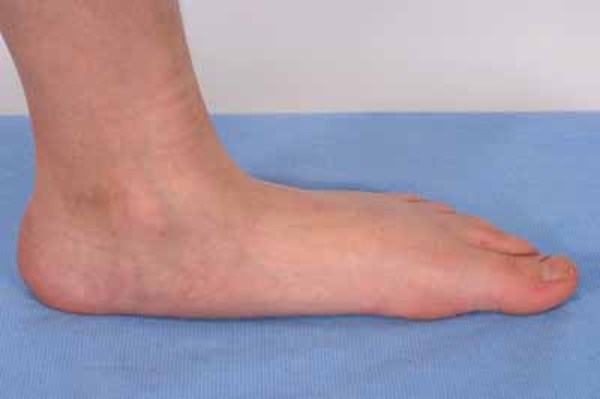
Charcot-Marie-Tooth disease type 4C
Charcot-Marie-Tooth disease type 4C Symptoms
Symptoms vary in severity between individuals. Early diagnosis and management can significantly improve outcomes.
Very Common
Muscle weakness in Charcot-Marie-Tooth disease type 4C typically manifests as difficulty in lifting the foot, leading to a high-stepping gait. This weakness is due to the degeneration of peripheral nerves, which impairs the transmission of signals from the brain to the muscles. Over time, the weakness may progress to affect the lower legs and hands, leading to muscle atrophy. Daily life can be significantly impacted, requiring physical therapy and assistive devices to maintain mobility and function.
Foot deformities, such as high arches or hammer toes, are common in individuals with CMT4C. These deformities result from muscle imbalances and weakness, causing structural changes in the foot. As the disease progresses, these deformities can worsen, leading to pain and difficulty in finding suitable footwear. Orthotic devices and, in some cases, surgical intervention can help manage these deformities and improve walking ability.
Sensory loss in CMT4C often presents as numbness or tingling in the feet and hands. This occurs due to damage to the sensory nerves, which are responsible for transmitting sensory information to the brain. Over time, the sensory loss can progress, leading to a reduced ability to feel pain, temperature, and touch. This can affect daily activities and increase the risk of injuries, necessitating regular monitoring and protective measures.
Common
Hearing loss in CMT4C can range from mild to severe and typically affects both ears. It is caused by the involvement of the auditory nerves, which are responsible for transmitting sound signals to the brain. The progression of hearing loss can vary, but it often worsens with age. Hearing aids and other auditory devices can help improve hearing and communication in affected individuals.
Balance difficulties in CMT4C are often due to a combination of muscle weakness and sensory loss. The vestibular system, which helps maintain balance, can also be affected, leading to dizziness and unsteadiness. These difficulties may become more pronounced over time, increasing the risk of falls. Balance training and physical therapy can help improve stability and reduce fall risk.
Muscle cramps in CMT4C are characterized by sudden, involuntary contractions of muscles, often occurring in the legs. These cramps are thought to be related to nerve dysfunction and muscle fatigue. They can become more frequent and severe as the disease progresses. Stretching exercises, hydration, and medications can help alleviate the discomfort associated with muscle cramps.
Less Common
Myasthenia gravis in CMT4C is a rare association and presents as muscle weakness that worsens with activity and improves with rest. It is caused by an autoimmune attack on the neuromuscular junction, disrupting communication between nerves and muscles. The progression can be variable, with periods of exacerbation and remission. Treatment typically involves medications that improve neuromuscular transmission and immunosuppressants.
Ichthyosis vulgaris associated with CMT4C presents as dry, scaly skin, particularly on the extensor surfaces of the limbs. This condition results from a genetic mutation affecting skin barrier function. The severity of the skin changes can vary, but they often become more noticeable in colder, drier climates. Regular use of moisturizers and keratolytic agents can help manage the skin symptoms and improve comfort.
What Causes Charcot-Marie-Tooth disease type 4C?
Charcot-Marie-Tooth disease type 4C (CMT4C) is primarily caused by mutations in the SH3TC2 gene, located on chromosome 5q32. The SH3TC2 gene encodes a protein involved in the myelination process of peripheral nerves, crucial for proper nerve signal transmission. Mutations in SH3TC2 lead to a dysfunctional protein that cannot adequately support myelin sheath maintenance. This disruption causes demyelination, resulting in impaired nerve conduction velocities. The cellular consequence is a loss of myelin integrity, leading to axonal degeneration. As myelin deteriorates, Schwann cells and axons experience increased stress, triggering neuroinflammatory responses. This inflammation exacerbates nerve damage and contributes to the progressive degeneration of peripheral nerves. The degeneration of white matter and peripheral nerves results in muscle weakness and atrophy, primarily affecting distal limb muscles. Symptoms typically appear in a distal-to-proximal pattern due to the length-dependent nature of axonal degeneration. Variability in disease severity among patients can be attributed to the specific mutation type, genetic background, and environmental factors. Some mutations may lead to a complete loss of function, while others result in partial activity, influencing the clinical presentation. Additionally, the presence of modifier genes and epigenetic factors can modulate disease progression. The immune system's response to nerve damage may further influence symptom severity and progression. Understanding these molecular mechanisms is crucial for developing targeted therapies for CMT4C.
How is Charcot-Marie-Tooth disease type 4C Diagnosed?
Typical age of diagnosis: Charcot-Marie-Tooth disease type 4C is typically diagnosed in childhood or early adolescence when symptoms such as muscle weakness and sensory loss become apparent. Diagnosis often occurs after a detailed clinical evaluation and family history assessment. Genetic testing is crucial for confirming the diagnosis. Early diagnosis is important for management and family counseling.
Clinicians look for signs of distal muscle weakness, sensory loss, and foot deformities such as pes cavus. A detailed family history is important to identify hereditary patterns. Physical examination may reveal areflexia and muscle atrophy. This step helps to differentiate CMT4C from other neuropathies and guides further diagnostic testing.
Magnetic Resonance Imaging (MRI) of the brain and spine is often used. It may show nerve root hypertrophy and other characteristic changes. These findings help confirm the diagnosis of CMT4C and exclude other conditions like multiple sclerosis. Imaging is particularly useful in assessing the extent of nerve involvement.
Nerve conduction studies are ordered to assess the speed and strength of nerve signals. Abnormal results typically show slowed conduction velocities and reduced amplitudes. These findings support the diagnosis of a demyelinating neuropathy. Additional blood tests may be done to rule out other causes of neuropathy.
Genetic testing focuses on sequencing the SH3TC2 gene. Mutations such as missense or nonsense mutations are commonly found. Positive results confirm the diagnosis of CMT4C and are essential for genetic counseling. This information helps in understanding inheritance patterns and informing family members.
Charcot-Marie-Tooth disease type 4C Treatment Options
Gabapentin is an anticonvulsant used to manage neuropathic pain. It works by modulating the release of excitatory neurotransmitters. Clinical trials have shown it can reduce pain in CMT patients. However, it does not address the underlying neuropathy. Side effects include dizziness and fatigue, which may limit its use.
Gait training involves exercises to improve walking ability and balance. The goal is to enhance mobility and prevent falls. Sessions are typically conducted 2-3 times a week for several months. Outcomes are measured by improvements in gait speed and balance tests. Long-term benefits include better quality of life and reduced disability.
Surgery is indicated for severe foot deformities causing pain or functional impairment. The procedure involves tendon transfers and osteotomies to correct alignment. Expected benefits include improved foot function and pain relief. Surgical risks include infection and nerve damage. Post-operative care includes physical therapy and orthotic support.
The care team includes neurologists, physiotherapists, and occupational therapists. Interventions focus on mobility aids, pain management, and daily living adaptations. Psychosocial support is provided through counseling and support groups. Family education is crucial for understanding disease progression and care strategies. Long-term monitoring involves regular assessments and adjustments to the care plan.
When to See a Doctor for Charcot-Marie-Tooth disease type 4C
- Severe difficulty breathing — this could indicate respiratory muscle involvement, which is a medical emergency.
- Sudden loss of mobility — this may suggest acute nerve damage or progression of the disease requiring immediate attention.
- Severe chest pain — could indicate cardiac involvement, which is rare but requires urgent evaluation.
- Progressive muscle weakness — indicates disease progression and requires a medical review for potential treatment adjustments.
- Frequent falls — may suggest worsening balance issues or muscle weakness, necessitating a reassessment of mobility aids.
- Persistent numbness or tingling — could indicate nerve damage progression and should be evaluated by a neurologist.
- Mild foot drop — monitor for worsening and consider physical therapy to improve mobility.
- Occasional muscle cramps — keep track of frequency and discuss with a doctor if they become more frequent or severe.
Charcot-Marie-Tooth disease type 4C — Frequently Asked Questions
Is this condition hereditary?
Charcot-Marie-Tooth disease type 4C is inherited in an autosomal recessive pattern, meaning both copies of the gene in each cell have mutations. Parents of an individual with an autosomal recessive condition each carry one copy of the mutated gene, but they typically do not show signs and symptoms of the condition. The probability of passing the condition to children is 25% if both parents are carriers. De novo mutations are rare in this type of inheritance. Genetic counseling is recommended for affected individuals and their families to understand their risks.
What is the life expectancy for someone with this condition?
Life expectancy for individuals with Charcot-Marie-Tooth disease type 4C is generally normal, although quality of life may be affected by physical disabilities. Early onset tends to correlate with more severe symptoms, potentially impacting mobility and independence. Mortality is rarely directly caused by the condition but can be influenced by complications such as respiratory failure. Treatment and supportive care can significantly improve quality of life and functional outcomes. Realistic expectations should include adaptations for mobility and potential need for assistive devices.
How is this condition diagnosed and how long does diagnosis take?
Diagnosis typically involves a combination of clinical evaluation, family history assessment, and genetic testing. The time from first symptoms to diagnosis can vary, often taking several months to years due to the rarity of the condition. Neurologists and geneticists are commonly consulted during the diagnostic process. Delays in diagnosis may occur due to the overlap of symptoms with other neuropathies. Genetic testing confirming mutations in the SH3TC2 gene is the definitive method for diagnosis.
Are there any new treatments or clinical trials available?
Research is ongoing, with gene therapy and other novel approaches showing promise in preclinical studies. Clinical trials are exploring various therapeutic strategies, including gene editing and neuroprotective agents. Patients can find trials by searching ClinicalTrials.gov and discussing options with their healthcare provider. It's important to ask your doctor about the potential benefits and risks of participating in a trial. New treatments may become available within the next decade, but timelines are uncertain.
How does this condition affect daily life and activities?
Charcot-Marie-Tooth disease type 4C can significantly impact mobility, requiring adaptations such as braces or wheelchairs. Educational and occupational adjustments may be necessary due to physical limitations. Social and emotional challenges include coping with chronic disability and potential isolation. The condition can place a significant burden on families, necessitating support and resources. Physical therapy, occupational therapy, and community support groups are crucial in managing daily life.
Learn More
Support & Resources
References
Content generated with support from peer-reviewed literature via PubMed.
- 1.The cerebellar phenotype of Charcot-Marie-Tooth neuropathy type 4C.
Skott H, Muntean-Firanescu C, Samuelsson K et al. · Cerebellum Ataxias · 2019 · PMID: 31346473
- 2.Charcot-Marie-Tooth disease type 4C associated with myasthenia gravis: coincidental or a foreseeable association?
Lorenzoni PJ, Kay CSK, Ducci RD et al. · Neurol Sci · 2022 · PMID: 34532771
- 3.Charcot-Marie-Tooth Disease Type 4C and Autosomal Dominant Heterozygous Ichthyosis Vulgaris, with Bilateral Hearing Loss: A Novel Association with Review of Literature.
Chhajed M, Gunasekaran PK, Bhanudeep S et al. · J Pediatr Genet · 2024 · PMID: 38721572
- 4.Charcot-Marie-Tooth Disease type 4C: Novel mutations, clinical presentations, and diagnostic challenges.
Jerath NU, Mankodi A, Crawford TO et al. · Muscle Nerve · 2018 · PMID: 28981955
- 5.Audiological Findings in Charcot-Marie-Tooth Disease Type 4C.
Sivera R, Cavalle L, Vílchez JJ et al. · J Int Adv Otol · 2017 · PMID: 28555600
- 6.Vestibular impairment in Charcot-Marie-Tooth disease type 4C.
Pérez-Garrigues H, Sivera R, Vílchez JJ et al. · J Neurol Neurosurg Psychiatry · 2014 · PMID: 24614092
- 7.A Patient With Charcot-Marie-Tooth Disease Type 4C (CMT4C) Presenting With Muscle Fasciculations and Motor Neuropathy.
Peddareddygari LR, Grewal RP · Cureus · 2024 · PMID: 38707135
- 8.Charcot-Marie-Tooth disease type 4C in Norway: Clinical characteristics, mutation spectrum and minimum prevalence.
Arntzen KA, Høyer H, Ørstavik K et al. · Neuromuscul Disord · 2018 · PMID: 30001926
This content is for educational purposes only and is not a substitute for professional medical advice, diagnosis, or treatment.Last reviewed: 2026-05-05