CHARGE syndrome - Symptoms, Causes, Diagnosis, and Treatment
chahrj sin-drohm
Also known as: CHARGE association
At a Glance
What is CHARGE syndrome - Symptoms, Causes, Diagnosis, and Treatment?
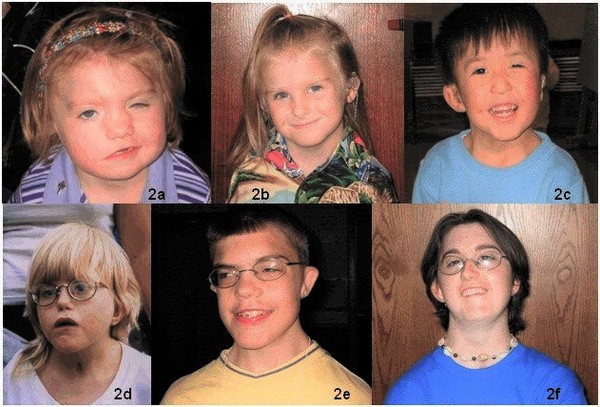
CHARGE syndrome is a complex genetic disorder that affects multiple body systems. It is caused by mutations in the CHD7 gene, which plays a crucial role in early embryonic development. The condition impacts the eyes, ears, heart, and growth, among other systems. Early symptoms often include coloboma of the eyes, heart defects, and breathing difficulties, while later symptoms can involve developmental delays and hearing loss. Early diagnosis is critical as it allows for timely interventions that can improve quality of life. Families may face challenges due to the need for ongoing medical care and therapies. The prognosis varies widely, with some individuals leading relatively independent lives and others requiring lifelong support. Daily life for those affected often involves managing multiple health issues and attending various therapies. Despite these challenges, many individuals with CHARGE syndrome attend school and participate in community activities. Support from healthcare providers and community resources can greatly assist families. Research is ongoing to better understand and treat this condition.
Medical Definition
CHARGE syndrome is a genetic disorder characterized by a specific set of congenital anomalies, including coloboma, heart defects, atresia of the choanae, growth retardation, genital abnormalities, and ear anomalies. It is primarily caused by mutations in the CHD7 gene, which encodes a chromodomain helicase DNA-binding protein involved in chromatin remodeling. Histologically, affected tissues may show disrupted cellular organization due to impaired gene regulation during development. CHARGE syndrome is classified under genetic disorders with a prevalence of approximately 1 in 10,000 live births. The disease course is variable, with some individuals experiencing significant medical complications and others having milder manifestations. Management is multidisciplinary, focusing on addressing the specific anomalies and supporting developmental progress.
CHARGE syndrome
CHARGE syndrome - Symptoms, Causes, Diagnosis, and Treatment Symptoms
Symptoms vary in severity between individuals. Early diagnosis and management can significantly improve outcomes.
Very Common
Coloboma manifests as a defect in the structure of the eye, often affecting the iris, retina, or optic nerve. It is caused by incomplete closure of the embryonic fissure during eye development, often linked to mutations in the CHD7 gene. Over time, coloboma can lead to vision impairment or blindness depending on the extent and location of the defect. It affects daily life by limiting visual capabilities, and management includes regular ophthalmologic evaluations and visual aids.
Heart defects in CHARGE syndrome can include conditions such as atrial septal defect, ventricular septal defect, or tetralogy of Fallot. These defects arise from abnormal development of the heart during embryogenesis, often due to genetic mutations affecting cardiac tissue formation. As the child grows, these defects can lead to complications like heart failure or arrhythmias if not addressed. Daily life is impacted by reduced physical stamina, and treatment may involve surgical correction and ongoing cardiology care.
Choanal atresia is characterized by the blockage of the nasal passage, either unilaterally or bilaterally, due to bony or membranous obstruction. It results from failed recanalization of the nasal fossae during fetal development. This condition can cause significant breathing difficulties, especially in newborns, and may require immediate intervention. It affects daily life by impairing normal breathing and feeding, often necessitating surgical intervention to restore airway patency.
Common
Growth retardation in CHARGE syndrome is observed as below-average height and weight for age. It is often due to a combination of feeding difficulties, hormonal imbalances, and chronic health issues. Over time, growth may improve with nutritional support and medical management, but many individuals remain smaller than peers. This affects daily life by potentially leading to social challenges and requires multidisciplinary care including endocrinology and nutrition support.
Hearing loss in CHARGE syndrome can range from mild to profound and is often due to structural abnormalities of the ear. It is caused by malformations in the middle and inner ear structures during development. Hearing loss can worsen over time if not managed, impacting language acquisition and communication skills. Daily life is affected by difficulties in communication, requiring interventions such as hearing aids or cochlear implants and speech therapy.
Genital abnormalities may include micropenis, cryptorchidism, or hypogonadism in males, and hypoplasia of the labia or clitoris in females. These arise from disrupted hormonal signaling and development during fetal growth. As the child matures, these abnormalities can lead to issues with sexual development and fertility. Daily life is impacted by potential psychological and reproductive concerns, often requiring endocrinological evaluation and possible surgical intervention.
Less Common
Cleft lip and/or palate presents as a gap or split in the upper lip and/or roof of the mouth. It results from the failure of facial structures to fuse properly during early pregnancy. If untreated, it can lead to feeding difficulties, speech problems, and ear infections. Daily life is affected by challenges in feeding and speech, often necessitating surgical repair and speech therapy.
Tracheoesophageal fistula is an abnormal connection between the trachea and esophagus. It occurs due to incomplete separation of the foregut into the trachea and esophagus during embryonic development. This condition can cause severe respiratory and feeding difficulties if not corrected. Daily life is impacted by the risk of aspiration and recurrent respiratory infections, typically requiring surgical intervention to correct the anomaly.
What Causes CHARGE syndrome - Symptoms, Causes, Diagnosis, and Treatment?
CHARGE syndrome is primarily caused by mutations in the CHD7 gene, located on chromosome 8q12.2. The CHD7 gene encodes a chromodomain helicase DNA-binding protein, which plays a crucial role in chromatin remodeling and transcriptional regulation during embryonic development. Mutations in CHD7 often lead to truncated or misfolded proteins that cannot effectively bind to DNA or recruit other chromatin-modifying proteins. This disruption impairs the regulation of gene expression critical for the development of multiple organ systems. Consequently, there is a cascade of molecular dysfunctions, including impaired signaling pathways and abnormal cellular differentiation. Neighboring cells and tissues experience altered communication and support, leading to developmental anomalies. Neuroinflammation can be triggered as the immune system responds to cellular stress and damage. In the central nervous system, this may contribute to the degeneration of white matter and other structures. The specific pattern of symptoms in CHARGE syndrome, such as coloboma, heart defects, and ear abnormalities, arises from the diverse roles of CHD7 in different tissues. Variability in disease severity among patients is influenced by the type and location of the mutation, as well as potential modifier genes and environmental factors.
How is CHARGE syndrome - Symptoms, Causes, Diagnosis, and Treatment Diagnosed?
Typical age of diagnosis: CHARGE syndrome is typically diagnosed in infancy or early childhood, often when multiple congenital anomalies are observed. Diagnosis may occur shortly after birth if characteristic features such as coloboma, heart defects, or choanal atresia are present. Early diagnosis is crucial for managing associated complications and improving outcomes. Genetic testing can confirm the diagnosis, especially in atypical cases.
Clinicians look for a combination of major and minor criteria, including coloboma, heart defects, atresia choanae, growth retardation, genital abnormalities, and ear anomalies. A detailed family and prenatal history is important to identify any hereditary patterns or prenatal exposures. Physical examination focuses on identifying dysmorphic features and congenital anomalies. This step helps narrow down the differential diagnosis and guides further testing.
MRI and CT scans are commonly used to assess ear structures, brain anomalies, and choanal atresia. Imaging may reveal semicircular canal hypoplasia, choanal atresia, or other cranial anomalies that support the diagnosis. These findings, in conjunction with clinical evaluation, can confirm the diagnosis of CHARGE syndrome. Imaging also helps exclude other conditions with overlapping features, such as VACTERL association.
Blood tests may include complete blood count and immunoglobulin levels to assess for associated immunodeficiency. Biomarkers such as low T-cell counts or abnormal immunoglobulin levels may be present. Abnormal results can indicate the need for further immunological evaluation and management. Laboratory tests guide the clinician in addressing potential complications and planning treatment.
Genetic testing focuses on sequencing the CHD7 gene, where mutations are commonly found in CHARGE syndrome. Mutations may include missense, nonsense, or frameshift types. Positive results confirm the diagnosis and can guide genetic counseling for the family. Genetic testing provides information on recurrence risk and aids in family planning decisions.
CHARGE syndrome - Symptoms, Causes, Diagnosis, and Treatment Treatment Options
Immunoglobulin replacement therapy is used to manage immunodeficiency in CHARGE syndrome. It works by providing exogenous antibodies to prevent infections. Specific drugs include intravenous immunoglobulin (IVIG) and subcutaneous immunoglobulin (SCIG). Clinical evidence supports its efficacy in reducing infection rates in patients with antibody deficiencies. Limitations include the need for regular infusions and potential side effects such as allergic reactions.
Developmental therapy involves techniques such as sensory integration and motor skill development. The goal is to improve motor skills, sensory processing, and overall development. Sessions are typically conducted weekly and last for 30 to 60 minutes. Measurable outcomes include improved motor milestones and enhanced sensory responses. Long-term benefits include better functional independence and quality of life.
Surgery is indicated for choanal atresia to restore nasal airflow. The procedure involves creating a patent airway through the nasal passage. Expected benefits include improved breathing and reduced risk of respiratory complications. Surgical risks include bleeding, infection, and restenosis. Post-operative care includes monitoring for complications and ensuring airway patency.
The team includes specialists such as geneticists, cardiologists, ENT surgeons, and developmental therapists. Interventions focus on managing medical complications, developmental support, and psychosocial care. Psychosocial support strategies involve counseling and support groups for families. Family education covers condition management and advocacy for services. Long-term monitoring involves regular follow-ups to assess growth, development, and emerging complications.
When to See a Doctor for CHARGE syndrome - Symptoms, Causes, Diagnosis, and Treatment
- Severe breathing difficulties — this could indicate a life-threatening airway obstruction or heart defect common in CHARGE syndrome.
- Sudden loss of consciousness — may suggest a critical cardiovascular or neurological event requiring immediate medical attention.
- Severe dehydration or vomiting — could indicate gastrointestinal complications that need urgent intervention.
- Persistent ear infections — these are common and can lead to hearing loss if not addressed by a healthcare provider.
- Delayed developmental milestones — may require evaluation by a specialist to initiate early intervention services.
- Unexplained weight loss — could indicate feeding difficulties or gastrointestinal issues that need medical evaluation.
- Mild hearing difficulties — monitor for any changes and consult an audiologist for regular hearing assessments.
- Occasional nasal congestion — monitor for any signs of infection and maintain good nasal hygiene.
CHARGE syndrome - Symptoms, Causes, Diagnosis, and Treatment — Frequently Asked Questions
Is this condition hereditary?
CHARGE syndrome is typically caused by mutations in the CHD7 gene and is usually not inherited, occurring as a de novo mutation. The probability of passing it to children is low if the mutation is de novo. However, if a parent is a carrier of the mutation, there is a 50% chance of passing it to offspring. Genetic counseling is recommended to understand the risks and implications. Carrier testing may be available for family members.
What is the life expectancy for someone with this condition?
Life expectancy varies significantly depending on the severity of symptoms and associated complications. Early diagnosis and management of heart defects and other critical issues can improve outcomes. Mortality is often related to heart defects, airway problems, and feeding difficulties. With appropriate medical care, many individuals live into adulthood. Treatment and regular monitoring can enhance quality of life and longevity.
How is this condition diagnosed and how long does diagnosis take?
Diagnosis involves a combination of clinical evaluation, genetic testing, and consultation with specialists such as geneticists and ENT doctors. The time from first symptoms to diagnosis can vary, often taking months to years due to the complexity of symptoms. Delays are common due to the rarity of the condition and variability in presentation. Genetic testing confirming a CHD7 mutation is definitive for diagnosis. Early referral to a specialist can expedite the diagnostic process.
Are there any new treatments or clinical trials available?
Research is ongoing, with promising studies focusing on gene therapy and targeted molecular treatments. ClinicalTrials.gov is a resource for finding relevant trials, and discussing these options with your doctor is crucial. Ask about the potential benefits and risks of participating in trials. New treatments may take years to become widely available, but ongoing research offers hope for future therapies. Staying informed about advances in treatment is important for managing the condition.
How does this condition affect daily life and activities?
CHARGE syndrome can impact mobility, self-care, and require adaptations for daily activities. Educational challenges are common, necessitating individualized education plans and support. Social and emotional challenges may arise due to communication difficulties and social isolation. The condition can place a significant burden on families, requiring comprehensive support systems. Access to therapies and community resources can greatly improve quality of life.
Learn More
Support & Resources
References
Content generated with support from peer-reviewed literature via PubMed.
- 1.CHARGE syndrome: a review.
Hsu P, Ma A, Wilson M et al. · J Paediatr Child Health · 2014 · PMID: 24548020
- 2.CHARGE Syndrome.
Usman N, Sur M · Unknown Journal · 2026 · PMID: 32644625
- 3.CHARGE Syndrome.
Hudson A, Trider CL, Blake K · Pediatr Rev · 2017 · PMID: 28044040
- 4.Immunodeficiency in CHARGE syndrome.
Mehr S, Hsu P, Campbell D · Am J Med Genet C Semin Med Genet · 2017 · PMID: 29159871
- 5.Behavior in CHARGE syndrome.
Hartshorne TS, Stratton KK, Brown D et al. · Am J Med Genet C Semin Med Genet · 2017 · PMID: 29082623
- 6.CHARGE syndrome and congenital heart diseases: systematic review of literature.
Polito MV, Ferraioli M, Nocilla A et al. · Monaldi Arch Chest Dis · 2023 · PMID: 37675914
- 7.CHARGE syndrome gastrointestinal involvement: from mouth to anus.
Hudson A, Macdonald M, Friedman JN et al. · Clin Genet · 2017 · PMID: 28155231
- 8.Eyes on CHARGE syndrome: Roles of CHD7 in ocular development.
Krueger LA, Morris AC · Front Cell Dev Biol · 2022 · PMID: 36172288
This content is for educational purposes only and is not a substitute for professional medical advice, diagnosis, or treatment.Last reviewed: 2026-05-06