Graft versus host disease
graft ver-sus host dis-ease
Also known as: GvHD, Graft-versus-host reaction
At a Glance
What is Graft versus host disease?
Graft versus host disease (GvHD) is a condition that occurs when donor cells attack the recipient's body after a transplant. It primarily affects the skin, liver, and gastrointestinal tract. GvHD is caused by the immune response of the transplanted donor cells against the host's tissues. Initially, symptoms may include rash, jaundice, and diarrhea. Over time, it can lead to chronic complications such as skin thickening and liver dysfunction. Early diagnosis is crucial to manage symptoms and prevent severe complications. GvHD can significantly impact family life due to the need for ongoing medical care and monitoring. The prognosis varies; some individuals recover completely, while others may experience long-term health issues. Daily life for those affected can involve frequent medical visits and lifestyle adjustments. Treatment often includes immunosuppressive medications to control the immune response. Supportive care is essential to manage symptoms and improve quality of life. Research is ongoing to better understand and treat GvHD.
Medical Definition
Graft versus host disease (GvHD) is an immune-mediated condition where donor T-cells attack recipient tissues following allogeneic hematopoietic stem cell transplantation. Pathologically, it involves donor lymphocytes recognizing host antigens as foreign, leading to tissue damage. Histological findings include lymphocytic infiltration and tissue necrosis, particularly in the skin, liver, and gastrointestinal tract. GvHD is classified into acute and chronic forms, based on the timing and clinical presentation. Epidemiologically, its incidence varies with the type of transplant and degree of donor-recipient mismatch. The disease course can range from mild and self-limiting to severe and life-threatening, requiring intensive immunosuppressive therapy.
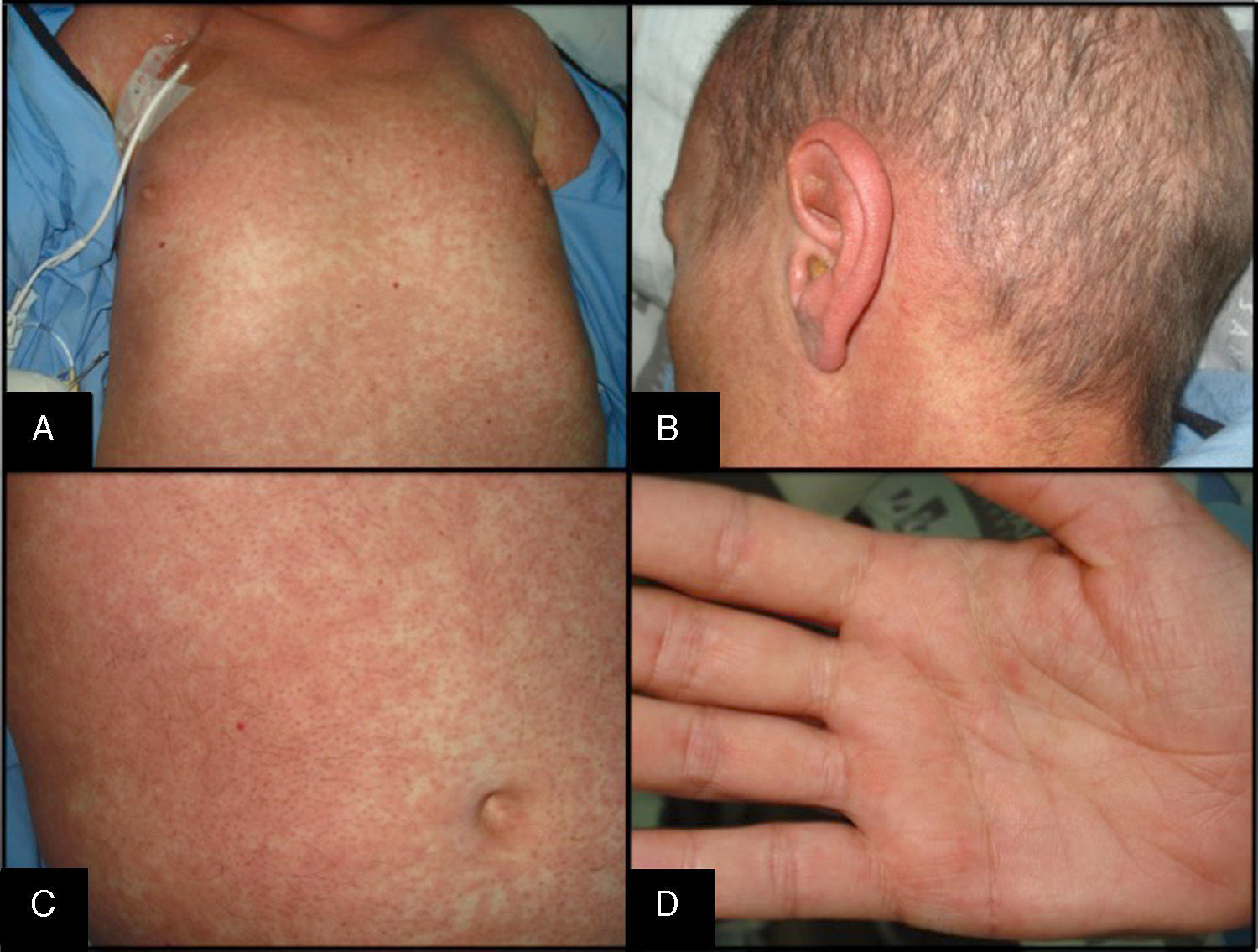
Graft versus host disease
Graft versus host disease Symptoms
Symptoms vary in severity between individuals. Early diagnosis and management can significantly improve outcomes.
Very Common
Skin rash in graft-versus-host disease often appears as a maculopapular rash, starting on the palms, soles, or trunk. It is caused by donor immune cells attacking the recipient's skin cells, leading to inflammation. Over time, the rash can progress to involve larger areas of the body and may become more severe, potentially leading to blistering or peeling. This symptom can significantly impact daily life by causing discomfort and itching, and it may require topical or systemic treatments to manage.
Diarrhea in graft-versus-host disease is characterized by frequent, watery bowel movements. It occurs due to the immune-mediated damage to the gastrointestinal tract, particularly the intestines. As the condition progresses, diarrhea can lead to dehydration and malnutrition if not properly managed. Patients may need dietary modifications and medications to control the symptoms and maintain hydration.
Liver dysfunction manifests as jaundice, elevated liver enzymes, and hepatomegaly in graft-versus-host disease. This occurs when donor immune cells attack the liver, causing inflammation and damage to liver tissues. If unchecked, it can progress to severe liver damage and affect the body's ability to detoxify and produce essential proteins. Management involves monitoring liver function tests and potentially using immunosuppressive therapies to reduce immune-mediated damage.
Common
Dry eyes in graft-versus-host disease present as a gritty or burning sensation in the eyes. This symptom is caused by immune-mediated damage to the tear-producing glands, leading to decreased tear production. Over time, chronic dry eyes can lead to irritation, redness, and an increased risk of eye infections. Patients may use artificial tears and other lubricating eye drops to alleviate discomfort and protect the ocular surface.
Mouth ulcers appear as painful sores in the oral cavity and are a common symptom of graft-versus-host disease. They result from immune attack on the mucosal lining of the mouth, leading to inflammation and ulceration. These ulcers can persist and recur, causing significant pain and difficulty in eating and speaking. Management includes topical treatments, pain relief, and maintaining good oral hygiene to prevent secondary infections.
Fatigue in graft-versus-host disease is characterized by a persistent feeling of tiredness and lack of energy. It is often a result of the body's ongoing immune response and the physical toll of managing chronic symptoms. Over time, fatigue can significantly impair daily functioning and quality of life. Strategies to manage fatigue include energy conservation techniques, regular physical activity, and addressing underlying causes such as anemia or sleep disturbances.
Less Common
Joint pain in graft-versus-host disease can manifest as arthralgia or arthritis, affecting mobility and comfort. This symptom is caused by immune-mediated inflammation of the joints. Over time, joint pain can lead to stiffness and reduced range of motion, impacting the patient's ability to perform daily activities. Management may involve physical therapy, pain relief medications, and immunosuppressive treatments to control inflammation.
Vulvovaginal symptoms in graft-versus-host disease include dryness, irritation, and pain during intercourse. These symptoms arise from immune-mediated damage to the mucosal tissues of the genital area. If left untreated, they can lead to chronic discomfort and affect sexual health and quality of life. Treatment options include topical moisturizers, hormonal therapies, and addressing any secondary infections.
What Causes Graft versus host disease?
Graft-versus-host disease (GvHD) is primarily caused by the interaction between donor T-cells and recipient tissues, rather than specific genetic mutations. However, certain genes related to immune function, such as HLA (Human Leukocyte Antigen) genes located on chromosome 6, play a critical role in the disease. The HLA genes encode proteins that present antigenic peptides to T-cells, facilitating immune recognition. In GvHD, mismatches between donor and recipient HLA proteins lead to inappropriate activation of donor T-cells. This activation results in the release of cytokines and other inflammatory mediators, causing widespread immune activation. The immediate molecular consequences include increased expression of inflammatory cytokines and chemokines, leading to tissue inflammation and damage. Organelle dysfunction, such as mitochondrial damage, occurs due to oxidative stress and inflammatory signaling pathways. This dysfunction impairs cellular metabolism and induces apoptosis in affected tissues. Neighboring cells and tissues suffer from collateral damage due to the inflammatory milieu and direct cytotoxic effects of activated immune cells. Neuroinflammation is a significant component, as cytokines can cross the blood-brain barrier, affecting central nervous system function. White matter degeneration may occur due to demyelination and axonal damage from chronic inflammation. Symptoms appear in a specific pattern, often affecting the skin, liver, and gastrointestinal tract first, due to their high turnover rates and exposure to circulating immune cells. Disease severity varies between patients due to differences in HLA compatibility, the intensity of the conditioning regimen, and individual immune responses.
How is Graft versus host disease Diagnosed?
Typical age of diagnosis: Graft versus host disease is typically diagnosed in patients who have undergone allogeneic hematopoietic stem cell transplantation, often occurring within the first 100 days post-transplant for acute forms, and later for chronic forms. Diagnosis is based on clinical presentation and confirmed through histopathological examination. Patients of all ages can be affected, but the condition is more common in adults due to the higher frequency of transplants in this population. Early recognition and diagnosis are crucial for effective management and improved outcomes.
Clinicians look for signs such as skin rash, liver dysfunction, and gastrointestinal symptoms. A detailed history of recent stem cell transplantation and any immunosuppressive therapy is crucial. Physical examination may reveal erythematous maculopapular rash, jaundice, or abdominal tenderness. This step helps differentiate between acute and chronic forms and guides further diagnostic testing.
Ultrasound or CT scans are commonly used to assess liver and gastrointestinal involvement. Abnormalities such as hepatomegaly or bowel wall thickening may be visible. Imaging findings support the diagnosis by correlating clinical symptoms with organ involvement. They help exclude other causes of symptoms, such as infections or drug toxicity.
Complete blood count, liver function tests, and inflammatory markers are ordered. Elevated liver enzymes and bilirubin levels are common biomarkers. Abnormal results indicate organ involvement and the severity of the disease. These results guide the urgency and type of therapeutic interventions needed.
HLA typing is performed to assess donor-recipient compatibility. Specific mismatches or minor histocompatibility antigens may be identified. Genetic testing confirms the diagnosis by correlating with clinical findings and transplant history. It informs family counseling regarding potential risks in future transplants.
Graft versus host disease Treatment Options
Corticosteroids are the first-line treatment, acting as immunosuppressants to reduce inflammation. Prednisone and methylprednisolone are commonly used drugs. Clinical evidence shows significant efficacy in controlling symptoms, especially in acute forms. However, long-term use can lead to side effects such as osteoporosis, hyperglycemia, and increased infection risk. Monitoring and adjusting doses are crucial to balance efficacy and side effects.
Techniques focus on improving joint mobility and muscle strength. The goal is to maintain functional independence and quality of life. Sessions are typically conducted 2-3 times a week for several months. Measurable outcomes include improved range of motion and reduced pain. Long-term benefits include enhanced daily functioning and prevention of contractures.
Indicated for severe liver involvement unresponsive to medical therapy. The procedure involves replacing the diseased liver with a healthy donor liver. Expected benefits include resolution of liver failure symptoms and improved survival. Surgical risks include rejection, infection, and complications from anesthesia. Post-operative care involves immunosuppressive therapy and regular monitoring for graft function.
The team includes hematologists, dermatologists, gastroenterologists, and psychologists. Interventions focus on symptom management, nutritional support, and mental health. Psychosocial support strategies involve counseling and support groups for patients and families. Education is provided on disease management and recognizing complications. Long-term monitoring includes regular follow-ups to assess treatment response and adjust care plans.
When to See a Doctor for Graft versus host disease
- Severe abdominal pain — this could indicate gastrointestinal involvement which can be life-threatening.
- High fever and rash — these symptoms may suggest acute graft-versus-host disease and require immediate medical attention.
- Difficulty breathing — respiratory symptoms can indicate serious complications and need urgent evaluation.
- Persistent diarrhea — this could lead to dehydration and requires medical evaluation.
- Jaundice or yellowing of the skin — this may indicate liver involvement and should be assessed by a doctor.
- Unexplained weight loss — significant weight loss can be a sign of chronic graft-versus-host disease and needs medical investigation.
- Mild skin rash — monitor for changes or worsening, as it could be an early sign of skin involvement.
- Fatigue — common but should be monitored for any increase in severity or impact on daily activities.
Graft versus host disease — Frequently Asked Questions
Is this condition hereditary?
Graft-versus-host disease is not hereditary as it occurs due to immune reactions following a transplant. There is no inheritance pattern or risk of passing it to children. De novo mutations are not involved in this condition. Carrier status is irrelevant since it is not a genetic disorder. Genetic counseling is not typically required for this condition.
What is the life expectancy for someone with this condition?
Life expectancy varies depending on the severity and type of graft-versus-host disease. Acute forms can be life-threatening, while chronic forms may lead to long-term complications. Mortality is often due to infections or organ failure. Early diagnosis and treatment can improve survival rates. Patients should have realistic expectations and discuss prognosis with their healthcare team.
How is this condition diagnosed and how long does diagnosis take?
Diagnosis involves clinical evaluation, laboratory tests, and sometimes biopsy. The time from first symptoms to diagnosis can vary, often taking weeks to months. Hematologists and transplant specialists are typically consulted. Delays can occur due to overlapping symptoms with other conditions. Diagnosis is confirmed through a combination of clinical findings and laboratory results.
Are there any new treatments or clinical trials available?
Research is ongoing, with promising treatments including novel immunosuppressants and cellular therapies. Gene therapy is being explored but is not yet widely available. Clinical trials can be found on ClinicalTrials.gov by searching for graft-versus-host disease. Patients should discuss trial participation with their doctor. New treatments may become available in the next few years.
How does this condition affect daily life and activities?
Graft-versus-host disease can impact mobility and self-care, especially if skin or joints are involved. Educational and work activities may be affected by fatigue and other symptoms. Social and emotional challenges include coping with chronic illness and potential isolation. Family members may experience increased caregiving burdens. Support groups and adaptive tools can help manage these challenges.
Learn More
Support & Resources
References
Content generated with support from peer-reviewed literature via PubMed.
- 1.Graft-versus-host disease.
Moreno DF, Cid J · Med Clin (Barc) · 2019 · PMID: 30309668
- 2.Review of Graft-Versus-Host Disease.
Ramachandran V, Kolli SS, Strowd LC · Dermatol Clin · 2019 · PMID: 31466596
- 3.Ocular graft-versus-host disease (oGVHD): From A to Z.
Soleimani M, Mahdavi Sharif P, Cheraqpour K et al. · Surv Ophthalmol · 2023 · PMID: 36870423
- 4.Vulvovaginal graft-versus-host disease: a review.
Jacobson M, Wong J, Li A et al. · Climacteric · 2019 · PMID: 31315476
- 5.Graft-Versus-Host Disease (GvHD).
Kenyon M, Babic A, Murray J et al. · Unknown Journal · 2018 · PMID: 31314308
- 6.Vulvovaginal Graft-Versus-Host Disease.
Kornik RI, Rustagi AS · Obstet Gynecol Clin North Am · 2017 · PMID: 28778644
- 7.Recent advances in graft-versus-host disease.
Flinn AM, Gennery AR · Fac Rev · 2023 · PMID: 36923700
- 8.Acute Graft-Versus-Host Disease: A Brief Review.
Aladağ E, Kelkitli E, Göker H · Turk J Haematol · 2020 · PMID: 31475512
This content is for educational purposes only and is not a substitute for professional medical advice, diagnosis, or treatment.Last reviewed: 2026-05-08