Hyperlipidemia due to hepatic triacylglycerol lipase deficiency
hi-per-lip-i-DEE-mee-uh due to he-PAT-ik try-a-sil-GLIS-er-ol LY-pase deficiency
Also known as: Hepatic lipase deficiency, HLD
At a Glance
What is Hyperlipidemia due to hepatic triacylglycerol lipase deficiency?
Hyperlipidemia due to hepatic triacylglycerol lipase deficiency is a rare genetic condition that affects how the body processes fats. The liver is primarily impacted, leading to the accumulation of fats in the bloodstream. This condition is caused by a deficiency in the enzyme hepatic lipase, which is crucial for breaking down certain types of lipids. Over time, individuals may experience increased cholesterol and triglyceride levels, which can lead to cardiovascular complications. Early symptoms might include abdominal pain and fatigue, while later symptoms can involve more serious issues like pancreatitis or heart disease. Early diagnosis is critical to manage symptoms and prevent severe complications. The condition can be challenging for families as it requires ongoing medical care and lifestyle adjustments. Prognosis varies, but with proper management, individuals can lead relatively normal lives. Daily life may involve dietary restrictions and regular monitoring of lipid levels. Genetic counseling is often recommended for families to understand inheritance patterns. Support from healthcare professionals and patient communities can be invaluable in managing the condition.
Medical Definition
Hyperlipidemia due to hepatic triacylglycerol lipase deficiency is a metabolic disorder characterized by elevated plasma triglycerides and cholesterol due to impaired lipolysis of triglyceride-rich lipoproteins. Pathologically, it involves a deficiency in hepatic lipase, an enzyme responsible for the hydrolysis of triglycerides in lipoproteins. Histological findings may include lipid accumulation in hepatocytes. It is classified under lipid metabolism disorders and is inherited in an autosomal recessive manner. Epidemiologically, it is extremely rare, with only a few cases reported worldwide. The disease course can vary, but without intervention, it may lead to premature cardiovascular disease.
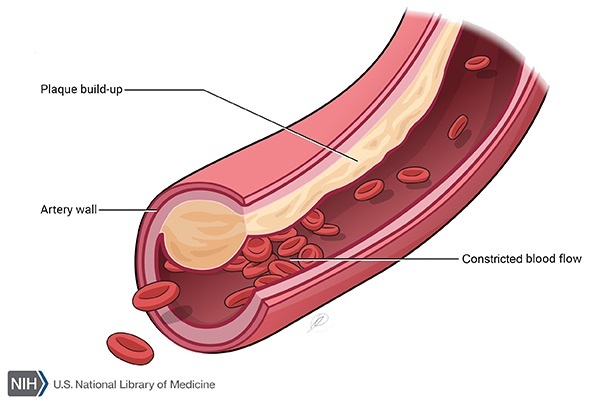
Hyperlipidemia due to hepatic triacylglycerol lipase deficiency
Hyperlipidemia due to hepatic triacylglycerol lipase deficiency Symptoms
Symptoms vary in severity between individuals. Early diagnosis and management can significantly improve outcomes.
Very Common
Clinically, elevated triglyceride levels are detected through blood tests and may not present with immediate physical symptoms. This elevation is caused by the deficiency of hepatic triacylglycerol lipase, which impairs the breakdown of triglycerides. Over time, persistently high triglyceride levels can lead to pancreatitis and increase the risk of cardiovascular diseases. Patients may need to adopt dietary changes and medications like fibrates to manage triglyceride levels effectively.
Decreased HDL cholesterol manifests as a reduction in the 'good' cholesterol levels in the blood, which is often identified during routine lipid profile screenings. The deficiency in hepatic lipase affects the remodeling of HDL particles, leading to their decreased levels. Over time, low HDL cholesterol can contribute to atherosclerosis and cardiovascular complications. Lifestyle modifications, including increased physical activity and dietary changes, can help improve HDL levels.
Xanthomas appear as yellowish deposits of fat underneath the skin, commonly found on the elbows, knees, and buttocks. They occur due to the accumulation of lipids in macrophages within the skin, a direct consequence of lipid metabolism disorders. These lesions can grow over time and may cause discomfort or cosmetic concerns for the patient. Treatment involves managing the underlying lipid disorder and, in some cases, surgical removal of the xanthomas.
Common
Hepatomegaly is the enlargement of the liver, often detected during a physical examination or imaging studies. It results from the accumulation of triglycerides in the liver due to impaired lipase activity. Over time, this can lead to liver dysfunction and contribute to non-alcoholic fatty liver disease. Regular monitoring and lifestyle interventions, such as weight management and dietary adjustments, are crucial for managing hepatomegaly.
Abdominal pain in this condition is often associated with pancreatitis, which can occur due to high triglyceride levels. The pain is caused by inflammation of the pancreas and can vary in intensity from mild to severe. If left untreated, it can lead to chronic pancreatitis and significantly affect the patient's quality of life. Immediate medical attention and management of triglyceride levels are essential to alleviate symptoms and prevent complications.
Fatigue presents as a persistent feeling of tiredness and lack of energy, which can be debilitating for patients. It may be linked to the body's inefficient lipid metabolism and the resulting energy imbalance. Over time, chronic fatigue can impact daily activities and overall well-being. Addressing the underlying lipid disorder and ensuring adequate nutrition and rest can help manage fatigue.
Less Common
Corneal arcus is characterized by a gray or white arc visible around the cornea, often observed during an eye examination. It is caused by lipid deposits in the corneal stroma, associated with hyperlipidemia. Although usually asymptomatic, it can be an indicator of underlying lipid metabolism disorders. Regular eye check-ups and lipid management are recommended to monitor and address this condition.
Peripheral neuropathy manifests as numbness, tingling, or pain in the extremities, resulting from nerve damage. This condition can be exacerbated by metabolic imbalances due to lipid disorders. Over time, it can lead to significant discomfort and affect mobility and daily activities. Management includes controlling lipid levels and symptomatic treatment with medications and physical therapy.
What Causes Hyperlipidemia due to hepatic triacylglycerol lipase deficiency?
The condition hyperlipidemia due to hepatic triacylglycerol lipase deficiency is primarily caused by mutations in the LIPC gene, located on chromosome 15q21.3. The LIPC gene encodes hepatic lipase, an enzyme crucial for the hydrolysis of triacylglycerol and phospholipids in lipoproteins. Mutations in the LIPC gene can lead to structural changes in the hepatic lipase enzyme, impairing its ability to bind to lipoproteins and catalyze lipid breakdown. This enzymatic deficiency results in the accumulation of triacylglycerol-rich lipoproteins within hepatocytes, disrupting normal lipid metabolism. The buildup of lipids in liver cells can lead to endoplasmic reticulum stress and mitochondrial dysfunction. These cellular disturbances can trigger inflammatory pathways, contributing to hepatic inflammation and fibrosis. The impaired lipid metabolism also affects lipid transport and uptake in peripheral tissues, leading to systemic lipid abnormalities. Neuroinflammation may be exacerbated by altered lipid profiles, affecting neuronal function and contributing to cognitive symptoms. The degeneration of white matter structures can occur due to disrupted lipid homeostasis, impacting nerve conduction and leading to neurological deficits. Symptoms typically appear in a pattern related to the degree of hepatic and systemic lipid accumulation, with hepatic symptoms often preceding neurological manifestations. Variability in disease severity among patients can be attributed to differences in the specific mutations within the LIPC gene, as well as environmental and lifestyle factors that influence lipid metabolism. Additionally, the presence of other genetic modifiers and the individual's overall metabolic state can further modulate the clinical presentation. The interplay between hepatic dysfunction and systemic lipid imbalances underlies the complex symptomatology of this condition.
How is Hyperlipidemia due to hepatic triacylglycerol lipase deficiency Diagnosed?
Typical age of diagnosis: Diagnosis typically occurs in early adulthood when patients present with unexplained hyperlipidemia. The condition may be suspected following routine lipid panel testing that reveals elevated triglycerides and cholesterol levels. Family history of similar lipid abnormalities can prompt earlier investigation. Genetic counseling may be recommended if a hereditary pattern is observed.
Clinicians look for signs of hyperlipidemia, such as xanthomas or pancreatitis. A detailed family history of lipid disorders or cardiovascular disease is crucial. Physical examination may reveal hepatomegaly or splenomegaly. This step helps to identify potential hereditary patterns and rule out secondary causes of hyperlipidemia.
Ultrasound or CT scan of the abdomen may be used to assess liver size and structure. Imaging can reveal fatty liver changes or hepatomegaly, supporting the diagnosis. These findings help confirm the presence of hepatic involvement in lipid metabolism. Imaging also helps exclude other liver pathologies that could cause similar symptoms.
Lipid panel tests are ordered to measure triglycerides, cholesterol, and HDL levels. Biomarkers such as elevated triglycerides and low HDL are sought. Abnormal results typically show significantly elevated triglycerides and cholesterol. These results guide further genetic testing and potential treatment options.
The LIPC gene, which encodes hepatic lipase, is sequenced. Mutations such as missense or nonsense mutations are identified. Positive results confirm the diagnosis of hepatic triacylglycerol lipase deficiency. Genetic testing informs family counseling regarding inheritance patterns and risks for relatives.
Hyperlipidemia due to hepatic triacylglycerol lipase deficiency Treatment Options
Fenofibrate belongs to the fibrate class of drugs, which activate peroxisome proliferator-activated receptors (PPARs). It works by increasing lipolysis and clearance of triglyceride-rich particles. Fenofibrate is used to reduce triglyceride levels in patients with hepatic lipase deficiency. Clinical evidence shows efficacy in lowering triglycerides and improving lipid profiles. Limitations include potential side effects such as liver enzyme elevation and muscle pain.
Techniques include structured aerobic activities like walking or cycling. The goal is to improve cardiovascular fitness and assist in lipid metabolism. Sessions are typically recommended 3-5 times per week, lasting 30-60 minutes each. Measurable outcomes include improved lipid profiles and increased exercise tolerance. Long-term benefits include reduced cardiovascular risk and improved overall health.
Indicated in severe cases with liver failure or cirrhosis. The procedure involves replacing the diseased liver with a healthy donor liver. Expected benefits include normalization of liver function and lipid metabolism. Surgical risks include rejection, infection, and complications from anesthesia. Post-operative care requires lifelong immunosuppression and regular monitoring.
The team includes a lipidologist, dietitian, and genetic counselor. Interventions focus on dietary modifications, medication management, and lifestyle changes. Psychosocial support strategies address the emotional impact of chronic disease. Family education involves understanding the condition and its management. Long-term monitoring includes regular follow-up visits and lipid panel assessments.
When to See a Doctor for Hyperlipidemia due to hepatic triacylglycerol lipase deficiency
- Severe chest pain — this could indicate a heart attack due to high cholesterol levels.
- Sudden vision changes — may signal a stroke or other serious vascular event.
- Acute abdominal pain — could suggest pancreatitis, a potential complication of hyperlipidemia.
- Persistent fatigue — may indicate worsening lipid levels affecting overall health; consult a doctor for evaluation.
- Unexplained weight loss — could be a sign of underlying metabolic issues; medical review is advised.
- Frequent headaches — might be related to blood pressure changes; monitoring and medical advice are recommended.
- Mild dizziness — monitor for changes and ensure adequate hydration.
- Occasional nausea — track frequency and potential dietary triggers.
Hyperlipidemia due to hepatic triacylglycerol lipase deficiency — Frequently Asked Questions
Is this condition hereditary?
Hyperlipidemia due to hepatic triacylglycerol lipase deficiency is typically inherited in an autosomal recessive pattern. This means both parents must be carriers for a child to be affected. De novo mutations are rare but possible. Carriers usually do not show symptoms but can pass the gene to offspring. Genetic counseling is recommended for affected families to understand risks and implications.
What is the life expectancy for someone with this condition?
Life expectancy can vary based on the age of onset and severity of symptoms. Early diagnosis and management of lipid levels can improve outcomes. Cardiovascular complications are a common cause of mortality. Treatment with lipid-lowering medications can enhance survival rates. Patients should have realistic expectations and work closely with healthcare providers to manage the condition.
How is this condition diagnosed and how long does diagnosis take?
Diagnosis involves a combination of clinical evaluation, blood tests for lipid levels, and genetic testing. The time from first symptoms to diagnosis can vary but often takes several months. Specialists such as endocrinologists or geneticists are typically consulted. Delays in diagnosis may occur due to the rarity of the condition and overlapping symptoms with other lipid disorders. Confirmation is usually achieved through genetic testing.
Are there any new treatments or clinical trials available?
Research is ongoing, with promising studies focusing on gene therapy and novel lipid-lowering agents. ClinicalTrials.gov is a resource for finding current trials. Patients should discuss potential participation with their doctors. New treatments may take years to become widely available. Staying informed about research developments is crucial for accessing new therapies.
How does this condition affect daily life and activities?
Daily life can be impacted by fatigue and the need for regular medication. Educational performance may be affected due to concentration issues. Social and emotional challenges include coping with a chronic condition and potential stigma. Family members may experience increased caregiving responsibilities. Supportive therapies and lifestyle adaptations can significantly improve quality of life.
Learn More
Support & Resources
References
Content generated with support from peer-reviewed literature via PubMed.
- 1.A selective deficiency of hepatic triacylglycerol lipase in guinea pigs.
Yamada N, Murase T, Akanuma Y et al. · Biochim Biophys Acta · 1979 · PMID: 508775
- 2.Effect of fenofibrate on plasma lipoprotein composition and kinetics in patients with complete hepatic lipase deficiency.
Ruel IL, Lamarche B, Mauger JF et al. · Arterioscler Thromb Vasc Biol · 2005 · PMID: 16224048
- 3.Lipase maturation factor 1 is required for endothelial lipase activity.
Ben-Zeev O, Hosseini M, Lai CM et al. · J Lipid Res · 2011 · PMID: 21447484
- 4.Enhanced cellular uptake of remnant high-density lipoprotein particles: a mechanism for high-density lipoprotein lowering in insulin resistance and hypertriglyceridemia.
Xiao C, Watanabe T, Zhang Y et al. · Circ Res · 2008 · PMID: 18556574
- 5.Hyperlipidemia in mast cell-deficient W/WV mice.
Hatanaka K, Tanishita H, Ishibashi-Ueda H et al. · Biochim Biophys Acta · 1986 · PMID: 3756204
- 6.Effects of the absence of apolipoprotein e on lipoproteins, neurocognitive function, and retinal function.
Mak AC, Pullinger CR, Tang LF et al. · JAMA Neurol · 2014 · PMID: 25111166
This content is for educational purposes only and is not a substitute for professional medical advice, diagnosis, or treatment.Last reviewed: 2026-05-07