Sepsis in premature infants
ˈsɛpsɪs ɪn priːˈmætʃʊr ˈɪnfənts
Also known as: neonatal sepsis, infant sepsis
At a Glance
What is Sepsis in premature infants?
Sepsis in premature infants is a serious medical condition where the body responds to a bacterial infection with widespread inflammation. This condition primarily affects the blood and can impact multiple body systems, including the respiratory and cardiovascular systems. It is often caused by bacteria that enter the bloodstream, sometimes from the gut or through medical devices. Early symptoms may include difficulty breathing, lethargy, and temperature instability, while late symptoms can progress to organ failure. Early diagnosis is critical to prevent severe complications and improve outcomes. Families may experience significant stress and emotional strain due to the infant's fragile health and potential for long-term effects. The prognosis can vary; some infants recover fully, while others may face ongoing health challenges. Daily life for affected families often involves frequent medical appointments and vigilant monitoring of the infant's health. Support from healthcare providers and community resources can be crucial. Sepsis can progress rapidly, making prompt medical intervention essential. Understanding the signs and symptoms can help caregivers seek timely care. With advances in neonatal care, outcomes for premature infants with sepsis have improved, but challenges remain.
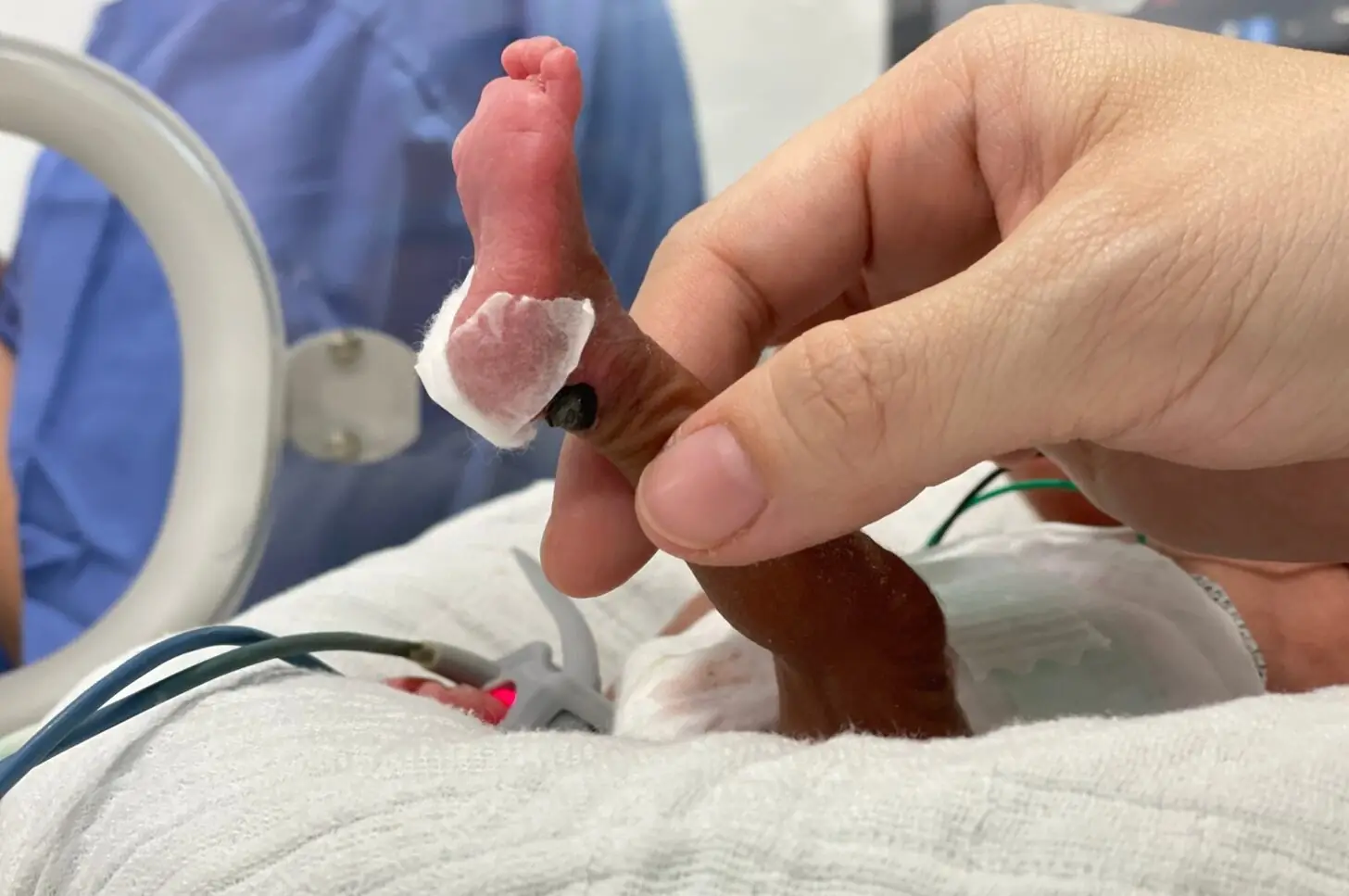
Sepsis in premature infants
Sepsis in premature infants Symptoms
Symptoms vary in severity between individuals. Early diagnosis and management can significantly improve outcomes.
Very Common
Respiratory distress in premature infants manifests as rapid, shallow breathing and grunting. This occurs due to immature lungs and insufficient surfactant production, leading to alveolar collapse. Over time, if untreated, it can progress to respiratory failure. Daily life is affected as infants require mechanical ventilation or supplemental oxygen to maintain adequate oxygen levels.
Temperature instability presents as difficulty maintaining normal body temperature, with fluctuations between hypothermia and hyperthermia. This is caused by an underdeveloped hypothalamus and limited subcutaneous fat, impairing thermoregulation. Without intervention, it can lead to metabolic stress and increased energy expenditure. Managing this symptom involves using incubators or radiant warmers to stabilize the infant's temperature.
Feeding intolerance is characterized by difficulty in digesting enteral feeds, leading to gastric residuals, vomiting, or abdominal distension. It results from immature gastrointestinal motility and enzyme function in premature infants. Over time, persistent feeding intolerance can lead to poor growth and nutritional deficits. Management includes adjusting feeding volumes and rates, and sometimes using parenteral nutrition.
Common
Apnea manifests as episodes of paused breathing lasting more than 20 seconds, often accompanied by bradycardia and cyanosis. It is caused by an immature central nervous system that fails to regulate breathing patterns effectively. If frequent, it can lead to hypoxia and potential neurological damage. Management includes monitoring, stimulation during episodes, and sometimes medication or respiratory support.
Lethargy in premature infants is observed as decreased activity levels and a lack of responsiveness to stimuli. This symptom arises from systemic infection and the body's energy being diverted to fight the infection. Over time, lethargy can hinder feeding and bonding with caregivers. Addressing this involves treating the underlying infection and providing supportive care to maintain energy levels.
Jaundice presents as yellowing of the skin and eyes due to elevated bilirubin levels. In premature infants, this is due to immature liver function and increased red blood cell turnover. If not managed, it can lead to kernicterus, a form of brain damage. Treatment includes phototherapy to help break down excess bilirubin and, in severe cases, exchange transfusions.
Less Common
Hypotension is characterized by abnormally low blood pressure, leading to poor perfusion of vital organs. It is often caused by sepsis-induced vasodilation and myocardial dysfunction. If persistent, it can result in organ failure and increased mortality risk. Management involves fluid resuscitation and, if necessary, vasoactive medications to stabilize blood pressure.
Seizures in premature infants manifest as subtle, repetitive movements or more obvious convulsions. They occur due to the immature brain's increased susceptibility to metabolic disturbances and infections. Without prompt treatment, seizures can lead to further neurological injury. Management includes anticonvulsant medications and addressing the underlying cause of the seizures.
What Causes Sepsis in premature infants?
Sepsis in premature infants is not typically linked to a single gene mutation but involves complex interactions between the immature immune system and external pathogens. The normal function of immune-related proteins, such as those encoded by the TLR4 gene on chromosome 9, is to recognize pathogen-associated molecular patterns and initiate an immune response. Mutations or polymorphisms in genes like TLR4 can alter receptor structure, leading to either hyperactive or insufficient immune signaling. This disruption affects the signaling pathways involving NF-kB, resulting in either excessive inflammation or inadequate pathogen clearance. Dysfunctional immune signaling can impair mitochondrial function, leading to energy deficits and increased oxidative stress. These cellular stresses can cause apoptosis or necrosis in tissues, particularly affecting the developing brain and lungs. The immature gut barrier in premature infants allows translocation of bacteria, exacerbating systemic inflammation. Neuroinflammation can disrupt oligodendrocyte maturation, leading to white matter injury. This degeneration contributes to motor and cognitive impairments observed in affected infants. Symptoms often appear in a pattern reflecting the organs most vulnerable to hypoxia and inflammation, such as the brain and lungs. Variability in disease severity among patients can be attributed to genetic predispositions, the specific pathogens involved, and the timing and efficacy of medical interventions. The role of cytokines like IL-6 and TNF-alpha in promoting inflammation further complicates the clinical presentation. Inflammatory cascades can also affect the cardiovascular system, leading to hypotension and poor perfusion. The interplay between genetic factors and environmental exposures, such as antibiotic use, influences the gut microbiome, impacting immune development. Ultimately, the heterogeneity in genetic and environmental factors contributes to the diverse clinical outcomes observed in sepsis among premature infants.
How is Sepsis in premature infants Diagnosed?
Typical age of diagnosis: Diagnosis of sepsis in premature infants typically occurs within the first few weeks of life, often during the neonatal intensive care unit stay. Clinicians are vigilant for signs of infection due to the high vulnerability of this population.
Clinicians look for signs such as temperature instability, respiratory distress, and lethargy. A detailed history of maternal infections and premature rupture of membranes is crucial. Physical examination may reveal poor perfusion and hypotonia. This step helps determine the urgency and direction of further diagnostic testing.
Chest X-rays are commonly used to assess for pneumonia or other respiratory complications. Abnormalities such as infiltrates or effusions may be visible, supporting a diagnosis of sepsis. Imaging findings help confirm the presence of infection and rule out other causes of respiratory distress. Differential diagnoses such as transient tachypnea of the newborn are considered.
Blood cultures are ordered to identify causative organisms. Biomarkers like C-reactive protein and procalcitonin are sought for their elevation in sepsis. Abnormal results include positive cultures and elevated inflammatory markers. These results guide antibiotic therapy and further management.
Genetic testing may involve sequencing genes related to immune function. Mutations in genes like TLR4 can be found, which may predispose to sepsis. Results confirm a genetic predisposition to sepsis and guide personalized treatment. They also inform family counseling regarding recurrence risks.
Sepsis in premature infants Treatment Options
Antibiotics are the mainstay of treatment, targeting bacterial pathogens. Common drugs include ampicillin and gentamicin, which act by inhibiting bacterial cell wall synthesis and protein synthesis, respectively. Clinical evidence supports their efficacy in reducing mortality in neonatal sepsis. Limitations include potential nephrotoxicity and resistance development. Careful dosing and monitoring are essential to minimize side effects.
Techniques such as gentle chest physiotherapy are used to improve lung function. The goal is to enhance ventilation and oxygenation in affected infants. Sessions are typically brief but frequent, tailored to the infant's tolerance. Measurable outcomes include improved oxygen saturation and reduced respiratory distress. Long-term benefits include better pulmonary outcomes and reduced need for mechanical ventilation.
Indicated for long-term antibiotic administration and nutritional support. The procedure involves inserting a catheter into a large vein, often under ultrasound guidance. Expected benefits include reliable venous access and reduced need for repeated peripheral sticks. Surgical risks include infection and thrombosis. Post-operative care involves regular line maintenance and monitoring for complications.
The care team includes neonatologists, nurses, and respiratory therapists. Interventions focus on maintaining thermal stability, nutritional support, and infection control. Psychosocial support for families is provided through counseling and education. Family education includes infection prevention and recognizing early signs of deterioration. Long-term monitoring plans involve regular follow-ups to assess growth and development.
When to See a Doctor for Sepsis in premature infants
- Severe difficulty breathing — This can indicate respiratory failure, requiring immediate medical intervention.
- High fever above 100.4°F (38°C) — This may signify a serious infection needing urgent treatment.
- Lethargy or unresponsiveness — This could be a sign of severe infection or sepsis, necessitating emergency care.
- Persistent irritability — This may indicate discomfort or pain, and a healthcare provider should evaluate the cause.
- Reduced feeding — This can lead to dehydration and poor growth, and should be assessed by a doctor.
- Changes in skin color, such as paleness or mottling — These may suggest circulatory issues and require medical attention.
- Mild fussiness — Monitor for changes in behavior or feeding patterns at home.
- Slight temperature elevation — Keep track of temperature and ensure adequate hydration, consulting a doctor if it persists.
Sepsis in premature infants — Frequently Asked Questions
Is this condition hereditary?
Sepsis in premature infants is not typically hereditary. It primarily results from infections acquired after birth rather than genetic factors. De novo mutations are not a common cause of sepsis in these cases. Carrier status of parents does not usually influence the risk of sepsis in premature infants. Genetic counseling is generally not necessary unless there are other underlying genetic conditions.
What is the life expectancy for someone with this condition?
The prognosis for premature infants with sepsis varies significantly based on the severity and timing of the infection. Early detection and treatment can improve outcomes, while delayed intervention may worsen them. Mortality is often due to complications like organ failure or severe infections. Effective treatment, including antibiotics and supportive care, can enhance survival rates. Families should expect a challenging course but know that many infants recover with appropriate care.
How is this condition diagnosed and how long does diagnosis take?
Diagnosis involves clinical evaluation, laboratory tests, and sometimes imaging studies. The time from symptom onset to diagnosis can vary, often taking a few hours to a day. Neonatologists and infectious disease specialists are typically involved in the diagnostic process. Delays can occur due to nonspecific symptoms or overlapping conditions. Blood cultures and clinical signs usually confirm the diagnosis.
Are there any new treatments or clinical trials available?
Research is ongoing into probiotics and gut microbiome modulation as potential treatments. Novel approaches like gene therapy are not currently applicable to sepsis but are being explored for related conditions. ClinicalTrials.gov is a resource for finding ongoing studies and trials. Patients should discuss trial participation with their healthcare provider. New treatments may become available in the next few years, but current care focuses on antibiotics and supportive measures.
How does this condition affect daily life and activities?
Sepsis in premature infants can impact their development and require prolonged hospital stays. It may affect feeding and growth, necessitating special nutritional support. Social and emotional challenges can arise for families due to stress and uncertainty. The burden on families can be significant, requiring support from healthcare teams and social services. Early intervention programs and support groups can help families manage these challenges.
Learn More
Support & Resources
References
Content generated with support from peer-reviewed literature via PubMed.
- 1.Probiotics to improve the gut microbiome in premature infants: are we there yet?
Mercer EM, Arrieta MC · Gut Microbes · 2023 · PMID: 37122152
- 2.Postnatal Sepsis and Bronchopulmonary Dysplasia in Premature Infants: Mechanistic Insights into "New BPD".
Salimi U, Dummula K, Tucker MH et al. · Am J Respir Cell Mol Biol · 2022 · PMID: 34644520
- 3.Necrotizing enterocolitis, gut microbes, and sepsis.
Duess JW, Sampah ME, Lopez CM et al. · Gut Microbes · 2023 · PMID: 37312412
- 4.Neonatal Early-Onset Sepsis.
Flannery DD, Puopolo KM · Neoreviews · 2022 · PMID: 36316253
- 5.Late-Onset Sepsis Among Very Preterm Infants.
Flannery DD, Edwards EM, Coggins SA et al. · Pediatrics · 2022 · PMID: 36366916
- 6.Intestinal metabolomics in premature infants with late-onset sepsis.
Liu J, Zhang L, Li D et al. · Sci Rep · 2024 · PMID: 38409213
- 7.Bronchopulmonary dysplasia: A review of pathogenesis and pathophysiology.
Kalikkot Thekkeveedu R, Guaman MC, Shivanna B · Respir Med · 2017 · PMID: 29229093
- 8.Cytomegalovirus-related sepsis-like syndrome in very premature infants in Japan.
Namba F, Nakagawa R, Haga M et al. · Pediatr Int · 2022 · PMID: 34528348
This content is for educational purposes only and is not a substitute for professional medical advice, diagnosis, or treatment.Last reviewed: 2026-05-05